79 Rating(s)
List: $15.00
| Sale: $10.50
Club: $7.50
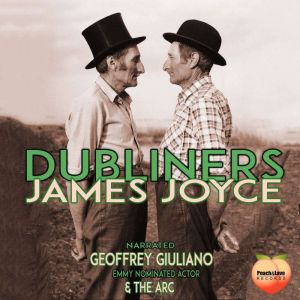
Dubliners
Author: James Joyce
Narrator: Geoffrey Giuliano, The Arc
Unabridged: 6 hr 48 min
Format: Digital Audiobook Download
Publisher: Author's Republic
Published: 04/29/2023
Categories: Fiction, Classic, Literary Fiction, Cultural Fiction
Synopsis
Dubliners is a collection of fifteen short stories written by James Joyce and published in 1914. The stories are set in Dublin, Ireland, and explore the lives of ordinary people in the city at the turn of the 20th century. Joyce’s use of vivid imagery and subtle symbolism creates a powerful sense of atmosphere and character that draws readers into the world of Dublin and its inhabitants. The stories are arranged in a chronological sequence, starting with childhood experiences and progressing through adolescence, young adulthood, and middle age, before culminating in old age and death. Each story offers a glimpse into a different aspect of Dublin life, and together they form a rich tapestry of the city and its people.
One of the central themes of Dubliners is the idea of paralysis. Joyce portrays his characters as being trapped in a cycle of frustration and despair, unable to break free from the constraints of their social and economic circumstances. This sense of paralysis is evident in many of the stories, such as "The Sisters," in which the young narrator is unable to come to terms with the death of a priest who had been a mentor to him, or "Eveline," in which a young woman is torn between her desire for freedom and her sense of duty to her family. The theme of paralysis is also evident in the closing story, "The Dead," which explores the idea of spiritual death and the inability of the characters to connect with one another.
Despite its bleak portrayal of life in Dublin, Dubliners is also a celebration of the city and its people. Joyce’s attention to detail and his vivid descriptions of the sights, sounds, and smells of the city bring the setting to life and create a sense of intimacy with the characters.
One of the central themes of Dubliners is the idea of paralysis. Joyce portrays his characters as being trapped in a cycle of frustration and despair, unable to break free from the constraints of their social and economic circumstances. This sense of paralysis is evident in many of the stories, such as "The Sisters," in which the young narrator is unable to come to terms with the death of a priest who had been a mentor to him, or "Eveline," in which a young woman is torn between her desire for freedom and her sense of duty to her family. The theme of paralysis is also evident in the closing story, "The Dead," which explores the idea of spiritual death and the inability of the characters to connect with one another.
Despite its bleak portrayal of life in Dublin, Dubliners is also a celebration of the city and its people. Joyce’s attention to detail and his vivid descriptions of the sights, sounds, and smells of the city bring the setting to life and create a sense of intimacy with the characters.

