List: $14.95
| Sale: $10.47
Club: $7.47
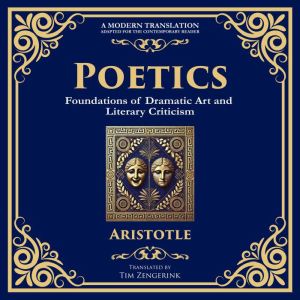
Poetics
The Foundations of Storytelling and Dramatic Theory
Author: Aristotle, Tim Zengerink
Narrator: Zeek Ring
Unabridged: 1 hr 26 min
Format: Digital Audiobook Download
Publisher: The Library of Alexandria
Published: 03/12/2025
Categories: Nonfiction, Self-help, Fiction, Drama, Literary Collections
Synopsis
What if you could master the art of storytelling, understand the essence of great drama, and unlock the timeless secrets behind compelling narratives?Poetics brings you Aristotle’s groundbreaking exploration of storytelling, carefully translated and adapted for the modern reader.Written over two thousand years ago, Poetics is the cornerstone of literary theory and dramatic structure. Aristotle examines the elements that make stories resonate—plot, character, conflict, and catharsis—revealing what separates a great story from a forgettable one. His insights continue to influence writers, filmmakers, playwrights, and creators across the world.This is not just an ancient text—it’s a practical guide to understanding the foundations of storytelling and how to create narratives that captivate audiences. Whether you’re a writer, filmmaker, student, or lover of literature, Aristotle’s teachings offer essential tools for mastering your craft and appreciating great works of art.What You’ll Discover in This Modern Translation:- Aristotle’s principles for crafting compelling stories with powerful structure, plot, and themes.- How characters and their struggles create emotional impact and drive engaging narratives.- The emotional power of drama and how stories can move and transform their audience.- Aristotle’s insights in clear, modern language that makes his teachings practical and relevant for today.Imagine having the knowledge to craft engaging stories, understand the mechanics of dramatic tension, and appreciate the art behind great literature and film. This modern translation of Poetics delivers Aristotle’s insights in a practical format, empowering you to master the art of storytelling.Get your copy today and begin your journey toward mastering the foundations of storytelling with Aristotle’s timeless wisdom.

