List: $20.99
| Sale: $14.70
Club: $10.49
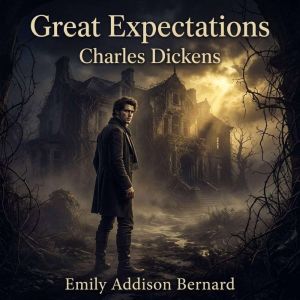
Great expectations
An unforgettable tale of ambition, hidden benefactors, and unrequited love. Experience a masterpiece of Classic Fiction where an orphan's encounter with an escaped convict changes his destiny forever.
Author: Charles Dickens
Narrator: Emily Addison Bernard
Unabridged: 17 hr 52 min
Format: Digital Audiobook Download
Publisher: Emily Addison Bernard
Published: 04/09/2026
Categories: Fiction, Classic, Coming Of Age, Literary Fiction
Synopsis
A terrifying encounter in a misty graveyard. A mysterious fortune from an unknown benefactor. A descent into a world of dark obsession and broken hearts.
Young Pip is a humble blacksmith's apprentice, an orphan destined for a life of grueling poverty and endless drudgery under the heavy hand of his abusive sister. But on one fateful, freezing Christmas Eve out on the desolate marshes, his life violently shifts course when he crosses paths with a desperate escaped convict. Soon after, Pip is summoned to the gloomy, time-forsaken mansion of Miss Havisham—a vengeful, corpse-like bride frozen in the past—and her beautiful, breathtakingly cruel ward, Estella. As Pip falls hopelessly in love, he begins to despise his ordinary life, dreaming only of becoming a wealthy gentleman.
When a sudden, mysterious windfall catapults him into high-society London, Pip believes his grandest dreams have finally come true. But every fortune has a hidden price, and dark, twisting secrets are waiting for him in the shadows.
Why you will love this: This cornerstone of Classic Fiction is a masterclass in gothic atmosphere, unforgettable character archetypes, and gripping mystery. Fans of timeless Victorian literature, coming-of-age sagas, and rags-to-riches tropes will be absolutely captivated by Dickens's brilliant blend of dark suspense, biting social commentary, and profound emotional resonance, all beautifully brought to life in this cinematic audiobook performance.
About the Author: Charles Dickens remains one of the most beloved and celebrated novelists of the Victorian era. Renowned for his vivid storytelling, complex characters, and fierce critique of poverty and social injustice, his literary legacy has profoundly shaped the modern English novel.
Young Pip is a humble blacksmith's apprentice, an orphan destined for a life of grueling poverty and endless drudgery under the heavy hand of his abusive sister. But on one fateful, freezing Christmas Eve out on the desolate marshes, his life violently shifts course when he crosses paths with a desperate escaped convict. Soon after, Pip is summoned to the gloomy, time-forsaken mansion of Miss Havisham—a vengeful, corpse-like bride frozen in the past—and her beautiful, breathtakingly cruel ward, Estella. As Pip falls hopelessly in love, he begins to despise his ordinary life, dreaming only of becoming a wealthy gentleman.
When a sudden, mysterious windfall catapults him into high-society London, Pip believes his grandest dreams have finally come true. But every fortune has a hidden price, and dark, twisting secrets are waiting for him in the shadows.
Why you will love this: This cornerstone of Classic Fiction is a masterclass in gothic atmosphere, unforgettable character archetypes, and gripping mystery. Fans of timeless Victorian literature, coming-of-age sagas, and rags-to-riches tropes will be absolutely captivated by Dickens's brilliant blend of dark suspense, biting social commentary, and profound emotional resonance, all beautifully brought to life in this cinematic audiobook performance.
About the Author: Charles Dickens remains one of the most beloved and celebrated novelists of the Victorian era. Renowned for his vivid storytelling, complex characters, and fierce critique of poverty and social injustice, his literary legacy has profoundly shaped the modern English novel.