List: $20.99
| Sale: $14.70
Club: $10.49
Great Expectations
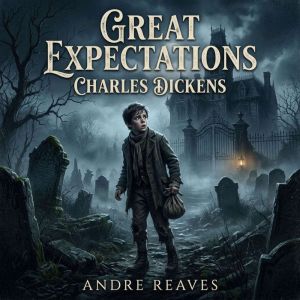
A chilling graveyard encounter sets an orphan on a gripping journey of wealth, secret benefactors, and broken hearts in this unforgettable masterpiece of Classic Literature.
Author: Charles Dickens
Narrator: Andre Reaves
Unabridged: 17 hr 50 min
Format: Digital Audiobook Download
Publisher: Andre Reaves
Published: 03/27/2026
Categories: Fiction, Classic, Historical Fiction, Coming Of Age
Synopsis
An escaped convict. A decaying mansion. A mysterious fortune that will change one orphan's life forever.
Raised by hand by his tyrannical sister and her gentle blacksmith husband, young Pip expects nothing from life but a humble existence in the bleak marshlands of Kent. But everything changes on a freezing Christmas Eve when a terrifying encounter with an escaped convict in a mist-shrouded graveyard binds Pip to a dangerous secret. Soon after, he is thrust into the eerie, time-stopped world of Satis House, home to the spectral and vengeful Miss Havisham and her beautiful, cruel ward, Estella. When a mysterious benefactor suddenly elevates Pip to the status of a gentleman, he leaves his humble origins behind for the glittering, treacherous streets of London, only to discover that his grand ambitions come with a devastating price.
Why you will love this: As a pinnacle of Classic Literature, this breathtaking audiobook offers an immersive, cinematic experience for fans of gothic coming-of-age novels, intricate historical fiction, and Victorian mysteries. With unforgettable archetypes, from the eccentric benefactor to the tormented antihero, listeners will be spellbound by this masterclass in suspense, atmospheric world-building, and profound social commentary. Whether you are revisiting an old favorite or discovering the twists and turns of Pip's saga for the first time, this gripping audio production is an absolute must-listen.
About the Author: Charles Dickens (1812–1870) remains one of the most brilliant and influential novelists of the Victorian era. Renowned for his sharp social critique, rich characterizations, and masterful blending of tragedy and comedy, his legacy continues to shape the literary landscape to this day.
Raised by hand by his tyrannical sister and her gentle blacksmith husband, young Pip expects nothing from life but a humble existence in the bleak marshlands of Kent. But everything changes on a freezing Christmas Eve when a terrifying encounter with an escaped convict in a mist-shrouded graveyard binds Pip to a dangerous secret. Soon after, he is thrust into the eerie, time-stopped world of Satis House, home to the spectral and vengeful Miss Havisham and her beautiful, cruel ward, Estella. When a mysterious benefactor suddenly elevates Pip to the status of a gentleman, he leaves his humble origins behind for the glittering, treacherous streets of London, only to discover that his grand ambitions come with a devastating price.
Why you will love this: As a pinnacle of Classic Literature, this breathtaking audiobook offers an immersive, cinematic experience for fans of gothic coming-of-age novels, intricate historical fiction, and Victorian mysteries. With unforgettable archetypes, from the eccentric benefactor to the tormented antihero, listeners will be spellbound by this masterclass in suspense, atmospheric world-building, and profound social commentary. Whether you are revisiting an old favorite or discovering the twists and turns of Pip's saga for the first time, this gripping audio production is an absolute must-listen.
About the Author: Charles Dickens (1812–1870) remains one of the most brilliant and influential novelists of the Victorian era. Renowned for his sharp social critique, rich characterizations, and masterful blending of tragedy and comedy, his legacy continues to shape the literary landscape to this day.