List: $23.43
| Sale: $16.41
Club: $11.71
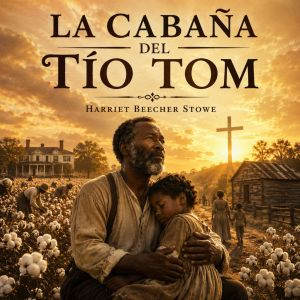
La Cabaña del Tío Tom
Author: Harriet Beecher Stowe
Narrator: AI Voice Cocota Audio
Unabridged: 22 hr 50 min
Format: Digital Audiobook Download
Publisher: Independently Published
Published: 08/13/2026
Categories: Nonfiction, Religion, Self-help, Personal Growth, En Espanol
Synopsis
This audiobook is narrated by an AI Voice. *La cabaña del tío Tom*, por **Harriet Beecher Stowe**, es mucho más que una novela sobre la esclavitud: es una profunda reflexión sobre la dignidad humana, la fe, la fortaleza interior y la capacidad de conservar los valores incluso en circunstancias extremas. La obra fue concebida como una denuncia del sistema esclavista y tuvo un enorme impacto en la opinión pública de su época.
Desde una perspectiva de **autoayuda**, el personaje del tío Tom representa la resistencia moral. Su historia plantea una pregunta vigente: ¿cómo mantener la integridad cuando las circunstancias intentan destruir nuestros principios? Tom demuestra que la verdadera fortaleza no siempre consiste en vencer por la fuerza, sino también en conservar la dignidad, la esperanza y la capacidad de perdonar.
La **religión cristiana** ocupa un lugar central. Stowe presenta la fe como una fuente de consuelo y fortaleza, pero también como un criterio moral para denunciar la contradicción entre el cristianismo y la esclavitud. La novela insiste en que ninguna creencia religiosa puede justificar la crueldad, la separación de familias o la deshumanización.
Vista desde la **actualidad**, la obra continúa invitando a reflexionar sobre la discriminación, el abuso de poder, la injusticia y la defensa de la dignidad humana. También permite cuestionar la indiferencia frente al sufrimiento ajeno. Aunque algunos aspectos de su representación racial y religiosa deben entenderse dentro del contexto del siglo XIX, su denuncia de la esclavitud sigue siendo fundamental para comprender la literatura y la historia estadounidense.
En definitiva, *La cabaña del tío Tom* propone una enseñanza poderosa: **las circunstancias pueden limitar nuestra libertad, pero no necesariamente tienen que destruir nuestros principios, nuestra compasión ni nuestra humanidad**.
Desde una perspectiva de **autoayuda**, el personaje del tío Tom representa la resistencia moral. Su historia plantea una pregunta vigente: ¿cómo mantener la integridad cuando las circunstancias intentan destruir nuestros principios? Tom demuestra que la verdadera fortaleza no siempre consiste en vencer por la fuerza, sino también en conservar la dignidad, la esperanza y la capacidad de perdonar.
La **religión cristiana** ocupa un lugar central. Stowe presenta la fe como una fuente de consuelo y fortaleza, pero también como un criterio moral para denunciar la contradicción entre el cristianismo y la esclavitud. La novela insiste en que ninguna creencia religiosa puede justificar la crueldad, la separación de familias o la deshumanización.
Vista desde la **actualidad**, la obra continúa invitando a reflexionar sobre la discriminación, el abuso de poder, la injusticia y la defensa de la dignidad humana. También permite cuestionar la indiferencia frente al sufrimiento ajeno. Aunque algunos aspectos de su representación racial y religiosa deben entenderse dentro del contexto del siglo XIX, su denuncia de la esclavitud sigue siendo fundamental para comprender la literatura y la historia estadounidense.
En definitiva, *La cabaña del tío Tom* propone una enseñanza poderosa: **las circunstancias pueden limitar nuestra libertad, pero no necesariamente tienen que destruir nuestros principios, nuestra compasión ni nuestra humanidad**.