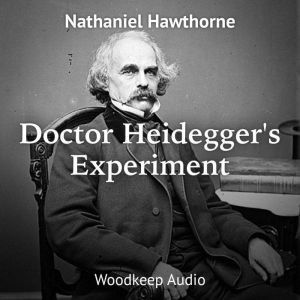
About Nathaniel Hawthorne
Nathaniel Hawthorne (1804–1864) was born in Salem, Massachusetts. His father was a sea captain and descendent of John Hathorne, one of the judges in the Salem witchcraft trials of 1692. Nathaniel was educated at Bowdoin College in Maine, where he made friends with Henry Wadsworth Longfellow, who later became a distinguished poet.
Hawthorne's first novel, Fanshaw: A Tale, appeared anonymously at his own expense in 1828. The novel was badly written and was received poorly. Disillusioned, Hawthorne did not publish another novel for nearly twenty-five years but continued to write short stories for magazines, and in 1837, he was able to publish a collection of these, which he titled Twice-Told Tales. However, he was unable to support himself with his writing, and he tried his hand at community farming-unsuccessfully.
Hawthorne married Sophia Amelia Peabody in 1842, and they moved to Concord, Massachusetts, to settle in the now-famous "Old Manse." It was here that he was surrounded by the leading literary figures of the day, including: Henry David Thoreau, Ralph Waldo Emerson, Margaret Fuller, and Bronson Alcott. He later befriended Herman Melville who dedicated Moby Dick to him. Needing financial security, after having two children, Hawthorne took the position of surveyor for the port of Salem. Three years later, a shift in political parties ended that career for Hawthorne, which granted him the time to complete The Scarlet Letter. It was marginally successful in his time, and it allowed him to continue writing novels and children's books full-time. Hawthorne aspired to become one of the first American authors to explore the hidden motivations of his characters-to reveal their passions, emotions, and anxieties, exposing "the truth of the human heart."
Hawthorne was appointed consul in Liverpool, England, by his old friend, Franklin Pierce, who had become president in 1853. The Hawthornes lived in Europe for the next seven years, where he wrote his final complete work of fiction, The Marble Faun. Hawthorne died in his sleep in 1864 in Plymouth, New Hampshire, while on a trip to the mountains.