List: $24.99
| Sale: $17.50
Club: $12.49
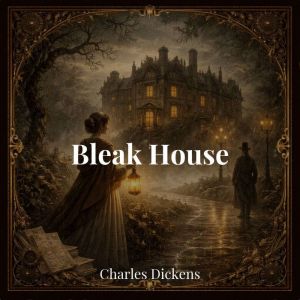
Bleak House
Author: Charles Dickens
Narrator: AI Voice Bob
Unabridged: 47 hr 19 min
Format: Digital Audiobook Download
Publisher: Mika
Published: 05/28/2026
Categories: Fiction, Mystery & Detective, Historical Fiction, Satire
Synopsis
This audiobook is narrated by an AI Voice. What if justice itself became a fog—creeping through London, swallowing lives, fortunes, secrets, and souls?
In Bleak House, Charles Dickens creates one of his darkest and most ambitious visions of Victorian society. With fierce moral imagination, biting satire, and deep compassion for the vulnerable, Dickens exposes a world where institutions meant to protect people can instead consume them. At the center stands the endless lawsuit of Jarndyce and Jarndyce, a legal labyrinth that promises inheritance while draining hope, time, and humanity.
Through the innocent yet resilient voice of Esther Summerson, the cold elegance of Lady Dedlock, and the shadowy investigations surrounding hidden identities, poverty, disease, and murder, Dickens weaves a vast mystery of class, guilt, law, and conscience. From aristocratic halls to the choking slums of Tom-All-Alone’s, every corner of society is connected by secrets no one can fully escape.
First published in 1852–1853, Bleak House remains one of Dickens’s most powerful works: part social indictment, part Gothic mystery, part legal satire, and part human drama. Its portrait of bureaucracy, corruption, and moral blindness still feels disturbingly modern.
This AI-narrated audiobook offers a clear, polished, and immersive listening experience, helping the listener navigate Dickens’s rich cast, intricate plot, dark humor, and unforgettable atmosphere with precision and depth.
Enter the fog, follow the secrets, and discover why Bleak House is considered one of the great achievements of English literature. Begin listening today.
In Bleak House, Charles Dickens creates one of his darkest and most ambitious visions of Victorian society. With fierce moral imagination, biting satire, and deep compassion for the vulnerable, Dickens exposes a world where institutions meant to protect people can instead consume them. At the center stands the endless lawsuit of Jarndyce and Jarndyce, a legal labyrinth that promises inheritance while draining hope, time, and humanity.
Through the innocent yet resilient voice of Esther Summerson, the cold elegance of Lady Dedlock, and the shadowy investigations surrounding hidden identities, poverty, disease, and murder, Dickens weaves a vast mystery of class, guilt, law, and conscience. From aristocratic halls to the choking slums of Tom-All-Alone’s, every corner of society is connected by secrets no one can fully escape.
First published in 1852–1853, Bleak House remains one of Dickens’s most powerful works: part social indictment, part Gothic mystery, part legal satire, and part human drama. Its portrait of bureaucracy, corruption, and moral blindness still feels disturbingly modern.
This AI-narrated audiobook offers a clear, polished, and immersive listening experience, helping the listener navigate Dickens’s rich cast, intricate plot, dark humor, and unforgettable atmosphere with precision and depth.
Enter the fog, follow the secrets, and discover why Bleak House is considered one of the great achievements of English literature. Begin listening today.


